
Quick answer
Blue Mountain Sydney temperature varies dramatically by season and elevation. Summer (December–February) reaches 22–28°C at lower lookouts but stays 5–8 degrees cooler in the upper valleys. Winter (June–August) drops to 3–12°C with frost common at dawn and occasional snow above 1,100 metres. Spring and autumn offer the most stable conditions at 10–20°C, though morning fog persists year-round in the valleys.
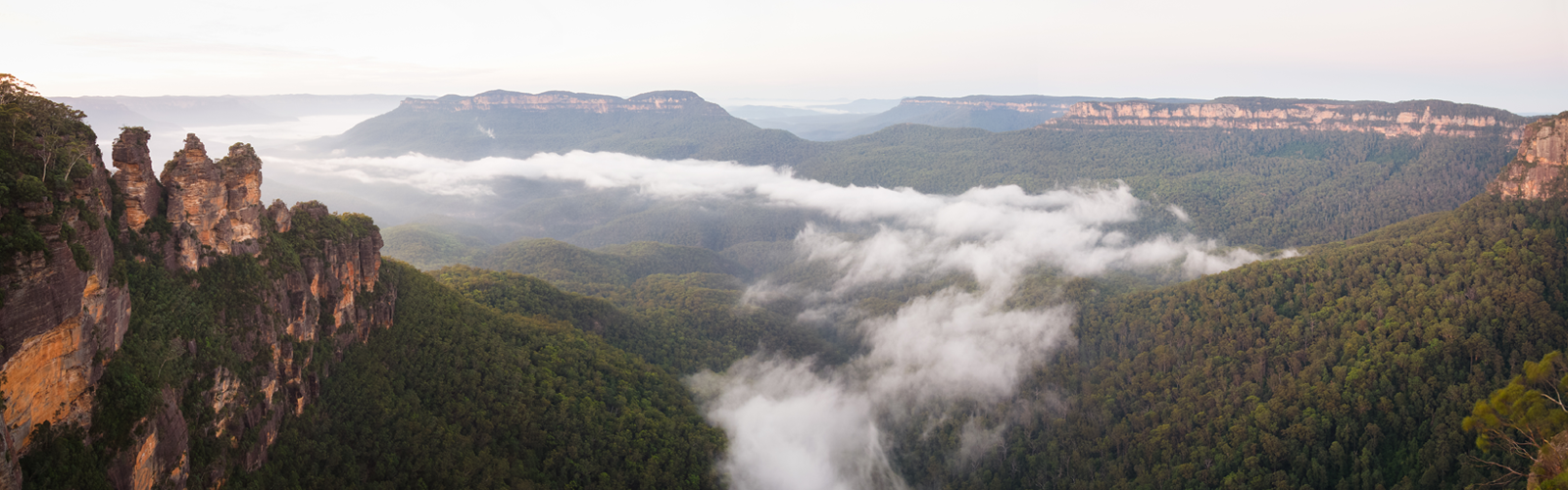
The escarpment climate creates microclimates that change every few kilometres. Katoomba sits 300 metres higher than Glenbrook, and that altitude difference translates to noticeably colder mornings and earlier sunsets. Visitors arriving from Sydney's coast often underestimate how quickly conditions change once they climb past the sandstone plateau. Blue Mountains weather by season follows predictable patterns, but daily variation remains high. December through February brings warm afternoons ideal for bushwalking, though afternoon thunderstorms build quickly over the ridgelines. March and April deliver the most reliable weather windows—clear mornings, mild days, and the first autumn colour appearing in the exotic gardens around Leura and Blackheath. May marks the start of cooler nights, and by June the region enters its coldest phase. Winter mornings require layered clothing even when forecasts promise sunshine by midday. July and August see the occasional dusting of snow at higher lookouts like Mount Victoria, though it rarely settles for more than a few hours. September warms gradually, but fog lingers in the Jamison and Grose valleys well into October. Elevation governs more than just temperature. The Glenbrook entrance sits at 280 metres and experiences conditions closer to western Sydney's climate—hot summers, mild winters. Drive 40 minutes west to Katoomba at 1,017 metres and you enter a different weather zone entirely. The same applies to the upper Grose Valley tracks, where canyon floors trap cold air and remain shaded until late morning. Walkers descending into the valley should expect temperatures 5–10 degrees lower than the plateau, with humidity rising as the vegetation thickens. Wind patterns shift with the seasons. Summer brings westerly gusts that funnel through the valley gaps, while winter delivers cold southerlies that make exposed lookouts feel far colder than the thermometer suggests. The eucalyptus haze that gives the region its name intensifies on still, warm days, creating the blue atmospheric effect visible from Echo Point and Sublime Point. That same haze can reduce visibility to a few hundred metres when fog rolls in during cooler months, particularly at dawn and dusk.
“Katoomba sits 300 metres higher than Glenbrook, and that altitude difference translates to noticeably colder mornings and earlier sunsets.”
Seasonal Trends for Blue Mountain Sydney Temperature
The Blue Mountains experience significant temperature variations compared to Sydney, with spring and autumn offering the most stable conditions for outdoor activity. These shoulder seasons avoid the extremes of winter frost and summer heat, providing safer environments for trail navigation.
Summer (Dec–Feb)
High; popular for escapesWarm, 18°C–26°C. High humidity and bushfire risk.
Monitor weather warnings and carry extra water during these months.
Autumn (Mar–May)
Moderate; popular for foliageCool to mild, 10°C–20°C. Lower humidity.
Stable conditions make this ideal for extended bushwalking.
Winter (Jun–Aug)
Low; quiet mid-weekCold, 3°C–12°C. Frequent frost and occasional snow.
Essential to carry thermal layers and windproof jackets for rapid temperature drops.
Spring (Sep–Nov)
Moderate; peak visitor numbersMild, 11°C–21°C. Unpredictable winds and changing conditions.
Layered clothing is necessary due to frequent weather transitions.
Verdict: The best time for a visit is during the shoulder months of April or October, when temperatures remain mild and weather hazards are generally lower.
Packing for Blue Mountain Sydney Temperature Shifts
Temperature in the Blue Mountains can drop 10°C below Sydney within an hour's drive, and conditions shift rapidly between sun-exposed lookouts and shaded valleys.
-
Pack layered clothing — Morning temperatures start near 5°C in winter, reaching 20°C by midday.
-
Bring a windproof outer layer — Exposed lookouts experience strong gusts year-round.
-
Wear closed walking shoes with grip — Trails include uneven sandstone steps and potentially wet surfaces.
-
Carry water and snacks — Limited facilities exist between major lookout points.
-
Pack sun protection and a hat — UV exposure intensifies at elevation, even on cool days.
-
Check weather forecasts before departure — Conditions can shift from clear to fog within 30 minutes.
Common Safety Mistakes Regarding Blue Mountain Sydney Temperature
Temperature variations in the Blue Mountains catch many visitors unprepared. Understanding altitude effects and rapid weather shifts prevents discomfort and genuine safety risks.
Wearing summer clothes year-round
The Blue Mountains sit 1,000+ meters above sea level, where temperatures drop 6–10°C below Sydney. Bring layered clothing even in summer, and pack a windproof jacket for lookout points.
Ignoring weather forecasts before departure
Conditions change rapidly at altitude, with fog and rain arriving within hours. Check the Bureau of Meteorology forecast the morning of your visit and adjust your itinerary accordingly.
Underestimating cold in shaded valleys
Popular walking tracks through rainforest gullies remain 5–8°C cooler than exposed lookouts. Carry an extra insulating layer for valley walks, even when the car park feels warm.
Skipping sun protection on cool days
UV exposure increases with altitude, and cool breezes mask sunburn risk. Apply SPF 30+ sunscreen and wear a hat regardless of perceived temperature.
Not carrying emergency supplies on bushwalks
Remote tracks lack shelter, and temperature drops accelerate hypothermia risk if you're delayed. Pack emergency blanket, water, snacks, and a charged phone with offline maps before entering the national park.
Operating Hours for the Blue Mountains
Blue Mountains National Park is open daily, providing round-the-clock access for visitors.
| Monday | 00:00–23:59 | |
|---|---|---|
| Tuesday | 00:00–23:59 | |
| Wednesday | 00:00–23:59 | |
| Thursday | 00:00–23:59 | |
| Friday | 00:00–23:59 | |
| Saturday | 00:00–23:59 | |
| Sunday | 00:00–23:59 |
Check availability
Frequently asked questions about blue mountain sydney temperature
Everything you need to know about blue mountain sydney temperature